
 English
 한국어
한국어 Español
 Deutsch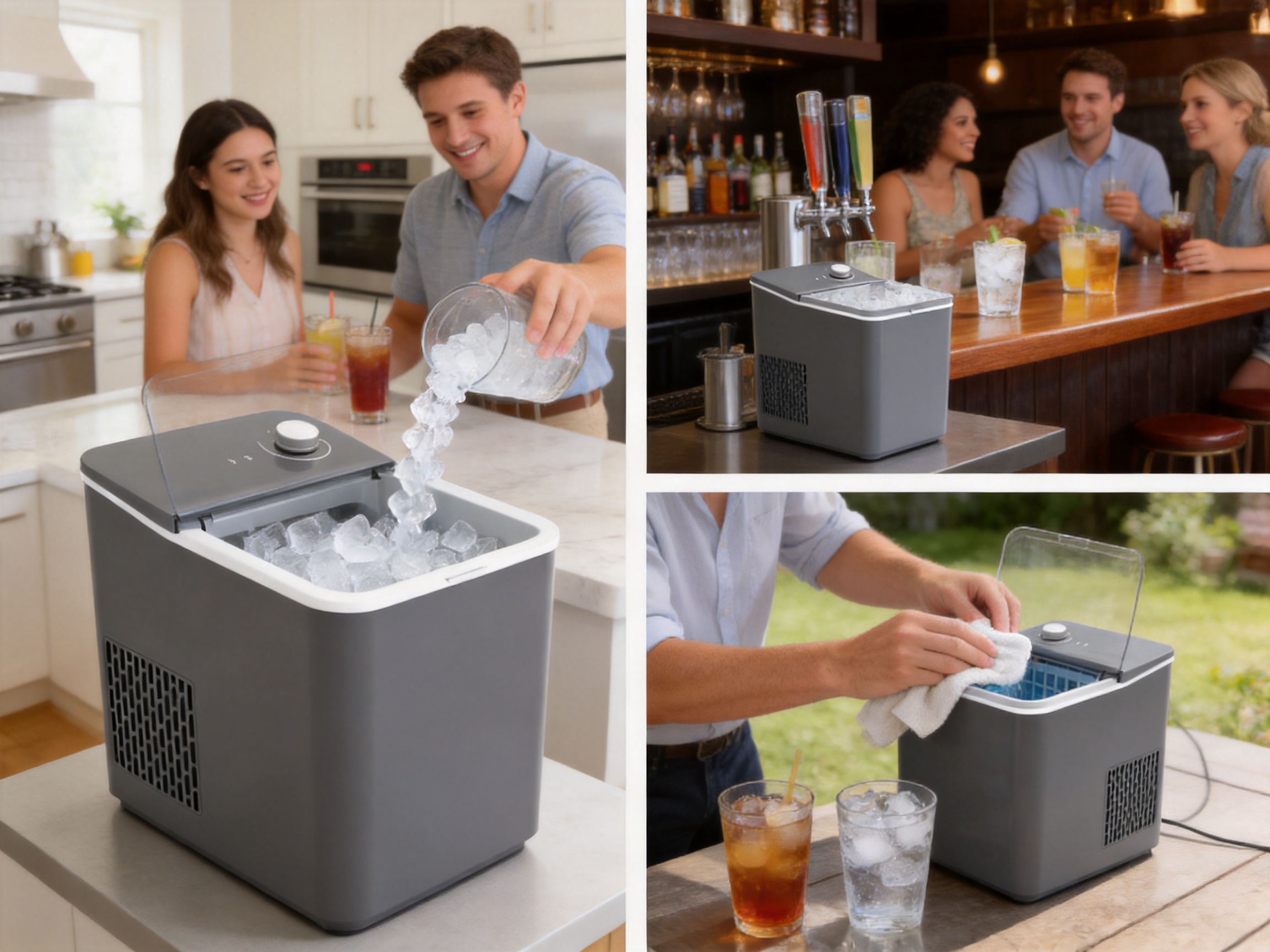
Ice has become an essential part of modern food and beverage preparation. It helps preserve freshness, cools drinks quickly, improves presentation, and adds convenience to everyday routines. However, traditional freezer ice trays can be slow, inconvenient, and difficult to manage. They require advance preparation, occupy valuable freezer space, and often produce ice in irregular quantities. A countertop ice maker offers a more practical alternative by producing usable ice when it is needed.
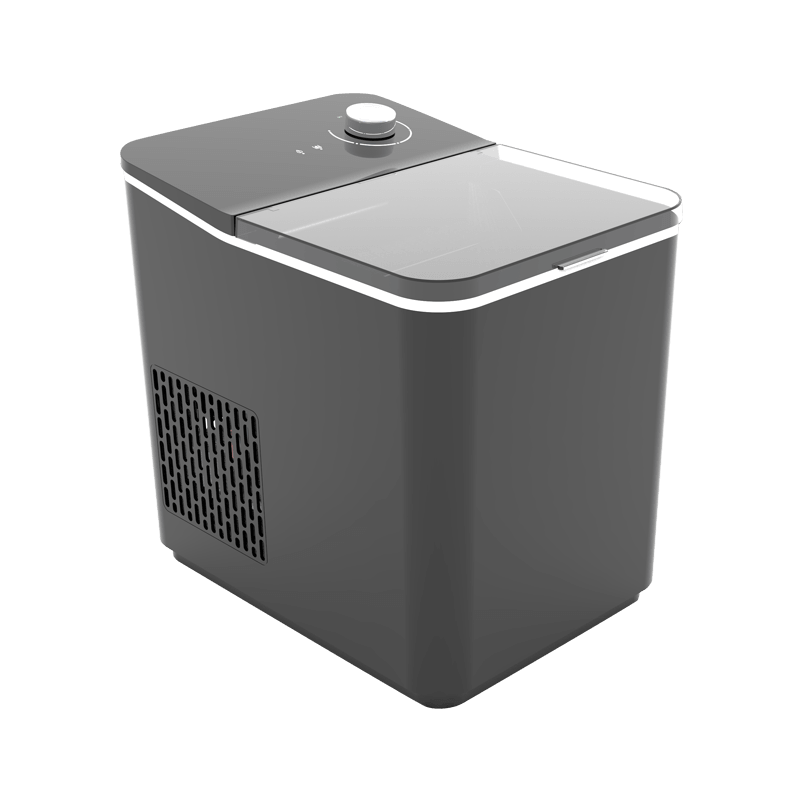
The Knob-type ice maker, identified as the Alien-Z02, is designed for households, beverage areas, small offices, hospitality settings, and outdoor activities. It belongs to the bullet ice maker category and uses a compact refrigeration system to produce hollow bullet-shaped ice. Its design combines a relatively small footprint, a straightforward control approach, and an environmentally considerate R600a refrigerant system.
This article examines the product’s construction, operating advantages, energy-related characteristics, manufacturing strengths, application value, maintenance requirements, and competitive position. It also explains why a compact bullet ice maker may be preferable to freezer trays, oversized commercial units, or less adaptable countertop models.
1. Product Overview
The product is a home-oriented bullet ice maker intended to provide convenient access to freshly produced ice. It is powered by a 220V–240V, 50Hz electrical supply and has a rated current and power specification of 0.9A and 150W. The refrigeration system uses R600a refrigerant with a stated charge of 19g.
Its listed machine dimensions are 313 × 226 × 309 millimeters. The accompanying product information also describes a compact size of 325 × 295 × 252 millimeters. Because these figures may refer to different measurement methods, production versions, or packaging and exterior configurations, buyers should confirm the final dimensional drawing before installation. In practical terms, the product is positioned as a compact countertop appliance rather than a full-size commercial ice machine.
The unit’s bullet ice format is especially suitable for cold beverages. Bullet ice generally has a rounded or cylindrical appearance with a hollow center. This structure provides a useful balance between cooling performance, drink compatibility, and visual appeal. It can be added to water, soft drinks, juice, cocktails, iced coffee, and other beverages without requiring a separate ice mold or freezer container.
The product is operated through a knob-type control concept. Compared with complex touch interfaces, a physical knob can provide a direct and familiar operating experience. It can be useful for users who prefer clear mechanical control and for environments where wet hands, splashes, or frequent use may make touch controls less convenient.
2. Why Bullet Ice Is Practical for Everyday Use
The shape of ice has a meaningful effect on how it behaves in a drink. Bullet ice is typically hollow or partially hollow, allowing the surrounding liquid to contact more of the ice surface. This helps the ice transfer cooling to the beverage efficiently during use.
The rounded shape also reduces sharp edges. That makes bullet ice more comfortable to handle and suitable for many types of drinkware. It can fit naturally into glasses, pitchers, cocktail shakers, insulated cups, and serving containers.
Another advantage is its versatile appearance. Bullet ice looks more refined than irregular fragments formed by hand or by breaking a frozen block. For home entertainers, cafés, guest rooms, and small hospitality businesses, a consistent ice shape can improve the presentation of beverages.
The hollow center may also reduce the total material required for each piece while preserving useful cooling contact. This does not mean that bullet ice will never melt quickly; melting depends on room temperature, beverage temperature, ice size, storage conditions, and the amount of liquid. Nevertheless, its shape is well suited to rapid beverage cooling and general household use.
Compared with ordinary freezer cubes, bullet ice offers an important convenience advantage. Users do not need to fill trays manually, wait several hours, remove frozen cubes from a mold, or manage water spills in the freezer. Instead, the appliance can produce ice on demand whenever the user needs it.
3. Core Technical Specifications
The following table summarizes the main technical information provided for the product.
| Item | Specification |
|---|---|
| Product type | Knob-type countertop bullet ice maker |
| Model description | Alien-Z02 |
| Product category | Bullet Ice Maker |
| Power supply | 220V–240V / 50Hz |
| Rated current | 0.9A |
| Rated power | 150W |
| Refrigerant | R600a |
| Refrigerant charge | 19g |
| Listed machine dimensions | 313 × 226 × 309mm |
| Additional compact-size information | 325 × 295 × 252mm |
The 150W rated power level places the product in a compact appliance class. Actual electricity consumption can vary according to ambient temperature, water temperature, operating duration, ventilation, ice production cycles, and standby behavior. Users should therefore treat the rated power as an equipment specification rather than a guarantee of a fixed hourly energy cost.
The 220V–240V, 50Hz specification makes the unit appropriate for electrical systems within that range. Before purchase or installation, customers should verify compatibility with the intended market and use a properly grounded outlet. A suitable power supply is important for safe and stable compressor operation.
4. Compact Design for Flexible Placement
One of the product’s strongest practical features is its compact countertop format. Kitchen counters are often crowded with appliances, utensils, coffee equipment, and food preparation tools. A bulky ice machine can quickly become difficult to place. A smaller unit is easier to integrate into an existing environment.
The ice maker may be used on a kitchen counter, beverage station, home bar, office pantry, guest room service area, recreational vehicle area, or outdoor preparation surface where an appropriate power connection is available. Its lightweight and compact design can make relocation easier than moving a larger commercial machine.
Space efficiency is also valuable in seasonal or occasional-use situations. A household may want an ice maker for summer gatherings, holiday celebrations, weekend entertaining, or outdoor dining without dedicating permanent floor space to a large appliance. A compact machine can be stored when it is not required and brought out when additional ice capacity is useful.
Although compact dimensions provide flexibility, the appliance still requires adequate ventilation. Refrigeration components release heat during operation, so the unit should not be pressed tightly against walls or placed beside a heat-producing appliance. The exact clearance requirements should follow the final user manual and installation instructions.
The difference between the two dimensional descriptions supplied for this product should also be considered during planning. The listed machine dimensions and the additional compact-size description may represent different versions, measurement points, or informational errors. Retailers and buyers should request a confirmed production drawing, especially when the appliance must fit into a cabinet opening or a tightly measured counter area.
Knob-type ice maker
5. Refrigeration System and R600a Considerations
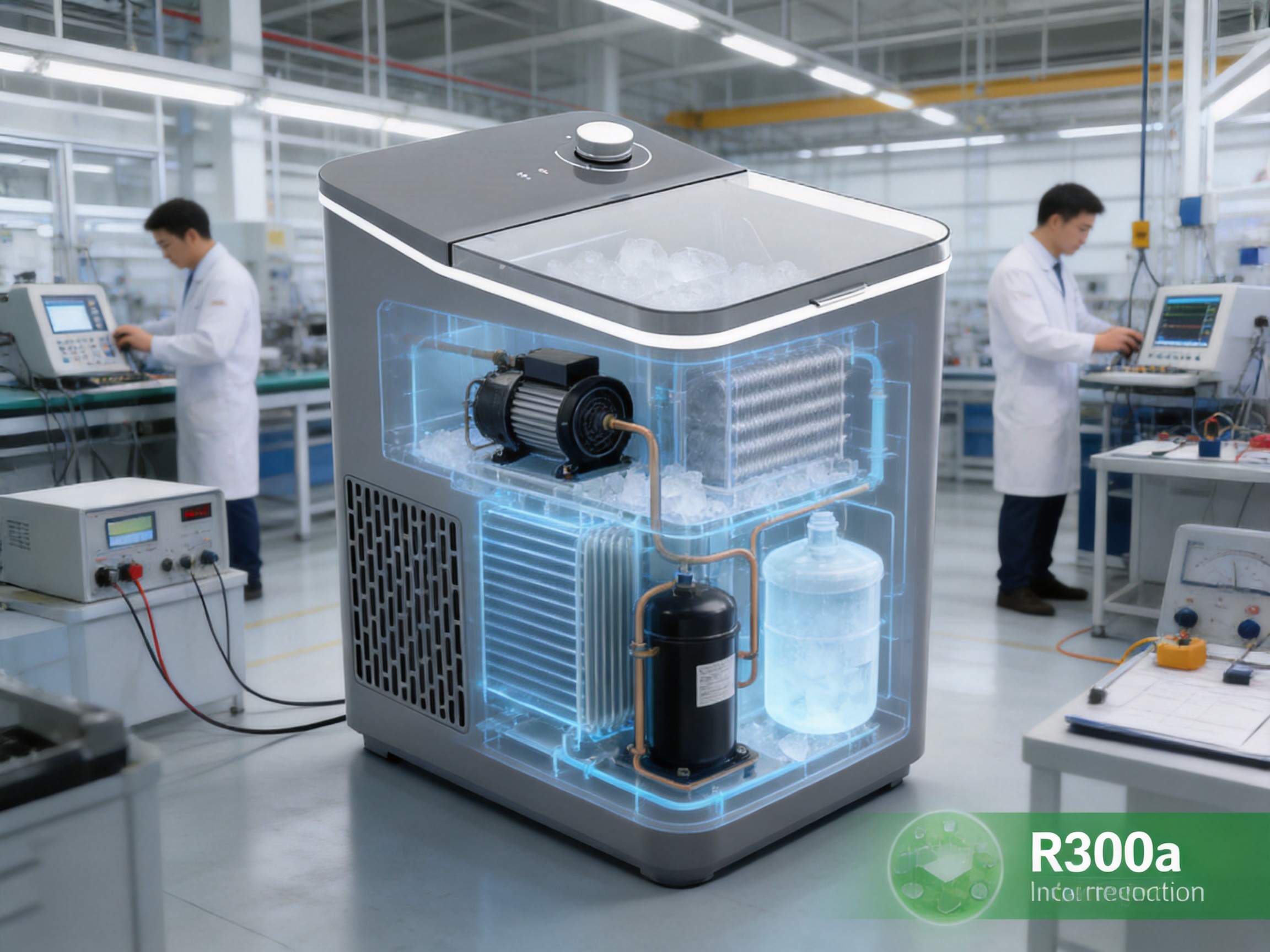
The product uses R600a, also known as isobutane, as its refrigerant. R600a is widely used in modern domestic refrigeration equipment because it can provide effective refrigeration performance with a comparatively low global warming potential. Its use reflects the broader industry movement toward refrigerants with lower environmental impact than many older alternatives.
The stated refrigerant charge is 19g. A defined charge supports consistent refrigeration performance when the sealed system is manufactured and tested correctly. Refrigerant quantity must not be changed by unqualified personnel. Because R600a is flammable, service work involving the sealed refrigeration system should be performed only by trained technicians using suitable procedures and equipment.
The environmental advantage of R600a should be understood in a balanced way. A lower-global-warming-potential refrigerant is beneficial, but the overall environmental performance of an appliance also depends on electricity consumption, product lifespan, repairability, packaging, transportation, and responsible disposal. A durable appliance that performs reliably over many years can reduce the need for frequent replacement.
Stable operation depends on more than refrigerant selection. Condenser ventilation, compressor quality, temperature control, insulation, water cleanliness, and assembly accuracy all influence performance. This is why manufacturing consistency is as important as the choice of refrigerant itself.
6. Advantages Over Traditional Freezer Trays
Freezer trays remain inexpensive and familiar, but they have several limitations. Users must fill them with water, carry them carefully to the freezer, wait for freezing, and remove the ice manually. Spills are common, and the trays consume freezer space that could otherwise be used for food.
A countertop ice maker reduces these steps. Water can be added directly to the appliance, and the machine’s refrigeration system handles the freezing process. This allows users to prepare ice closer to the time of consumption rather than planning hours in advance.
Tray-made ice is also often limited by the number of available molds. A household may have only one or two trays, while a compact ice maker can provide a continuing production cycle as long as water, electricity, and operating conditions are suitable. The machine is therefore more convenient for parties, family gatherings, and periods of increased beverage consumption.
Ice trays can also absorb freezer odors or become difficult to clean. A dedicated ice maker separates ice production from long-term food storage. Users still need to clean the ice maker regularly, but the appliance is designed specifically for producing ice and can be maintained according to a dedicated cleaning routine.
7. Advantages Over Oversized Commercial Ice Machines
Commercial ice machines are valuable when large volumes of ice are required, but they may be excessive for domestic applications. They often require more installation space, more complex plumbing arrangements, higher purchase costs, and greater operating capacity than a typical household needs.
The compact bullet ice maker takes a different approach. It focuses on convenience and accessibility rather than industrial-scale output. For a family, small office, guest room, or home bar, the product can provide a more proportionate solution.
A smaller system may also be easier to relocate, clean, and integrate into an existing room. The user does not need to redesign a kitchen or install a dedicated water line simply to obtain additional ice. This simplicity can lower the practical barrier to ownership.
Of course, a compact appliance is not a replacement for a high-capacity commercial system. Businesses that serve a continuous stream of customers should calculate demand carefully and select equipment with sufficient production and storage capacity. The advantage of this product lies in right-sizing: it is intended for users who value convenience without requiring an industrial machine.
8. Advantages Over Complex Touchscreen Models
Many modern appliances use touchscreens, digital menus, and connected functions. These features can be useful, but they also introduce additional electronic components and learning requirements. A knob-type control offers a simpler alternative.
A physical knob can be understood quickly by different age groups and can be operated without navigating menus. It may also remain practical when a user’s hands are damp or when the surrounding environment is busy. For a product whose primary purpose is straightforward ice production, uncomplicated control can be an advantage rather than a limitation.
Mechanical control also supports a clear relationship between user action and machine response. The user turns the control, selects the required operating function, and can observe the appliance during operation. This direct interaction is consistent with the product’s focus on practical home use.
The appropriate choice depends on the customer. Some users prefer smart connectivity and detailed digital information, while others prioritize ease of use, fewer unnecessary functions, and straightforward operation. The knob-type configuration is particularly suitable for customers who want dependable basic performance without a complicated interface.
9. Manufacturing Strengths
Alien Technology Co., Ltd. is located in Zhouxiang, Cixi City, Zhejiang Province, an area known for the manufacture of small household appliances and convenient logistics. The company specializes in ice makers, coffee machines, and air fryers. This product concentration gives the manufacturer experience in several appliance categories that share common requirements, including compact structure, heating or cooling control, plastic housing production, electrical assembly, and consumer-oriented design.
The company’s stated mission is “Smart Technology, Simplifying Life, Enhancing Happiness.” For this ice maker, that philosophy is reflected in the effort to combine useful refrigeration technology with a compact body and accessible control system.
Advanced manufacturing does not depend on one single machine or process. It is normally the result of coordinated design, component selection, production control, testing, and continuous improvement. A compact ice maker requires accurate alignment between its water path, refrigeration system, electrical components, housing, insulation, controls, and drainage or cleaning features.
During product development, engineers must consider how the appliance will be used in real homes. The body should be compact without making internal service or cleaning unnecessarily difficult. The refrigeration system must fit within the available enclosure while allowing heat to be released. The control mechanism must be intuitive, durable, and resistant to normal household handling.
Plastic housing production is another important area. A well-designed enclosure needs consistent dimensions, smooth surfaces, appropriate structural strength, and a finish suitable for kitchen environments. Consistent molding helps ensure that panels fit correctly and that gaps around controls and internal compartments remain controlled.
Electrical assembly requires careful attention to wiring, insulation, terminals, switches, grounding, and protection against incorrect connection. Refrigeration assembly requires separate quality controls for tubing, joints, vacuum processing, refrigerant charging, and leakage inspection. These processes must be carried out according to applicable technical procedures and market requirements.
Because the company manufactures multiple household appliance categories, it may also benefit from shared supply-chain knowledge. Motors, control components, wiring systems, plastic materials, packaging methods, and inspection equipment can be managed through an integrated manufacturing network. Such coordination can support product consistency and more efficient order fulfillment.
10. Quality Control and Production Consistency
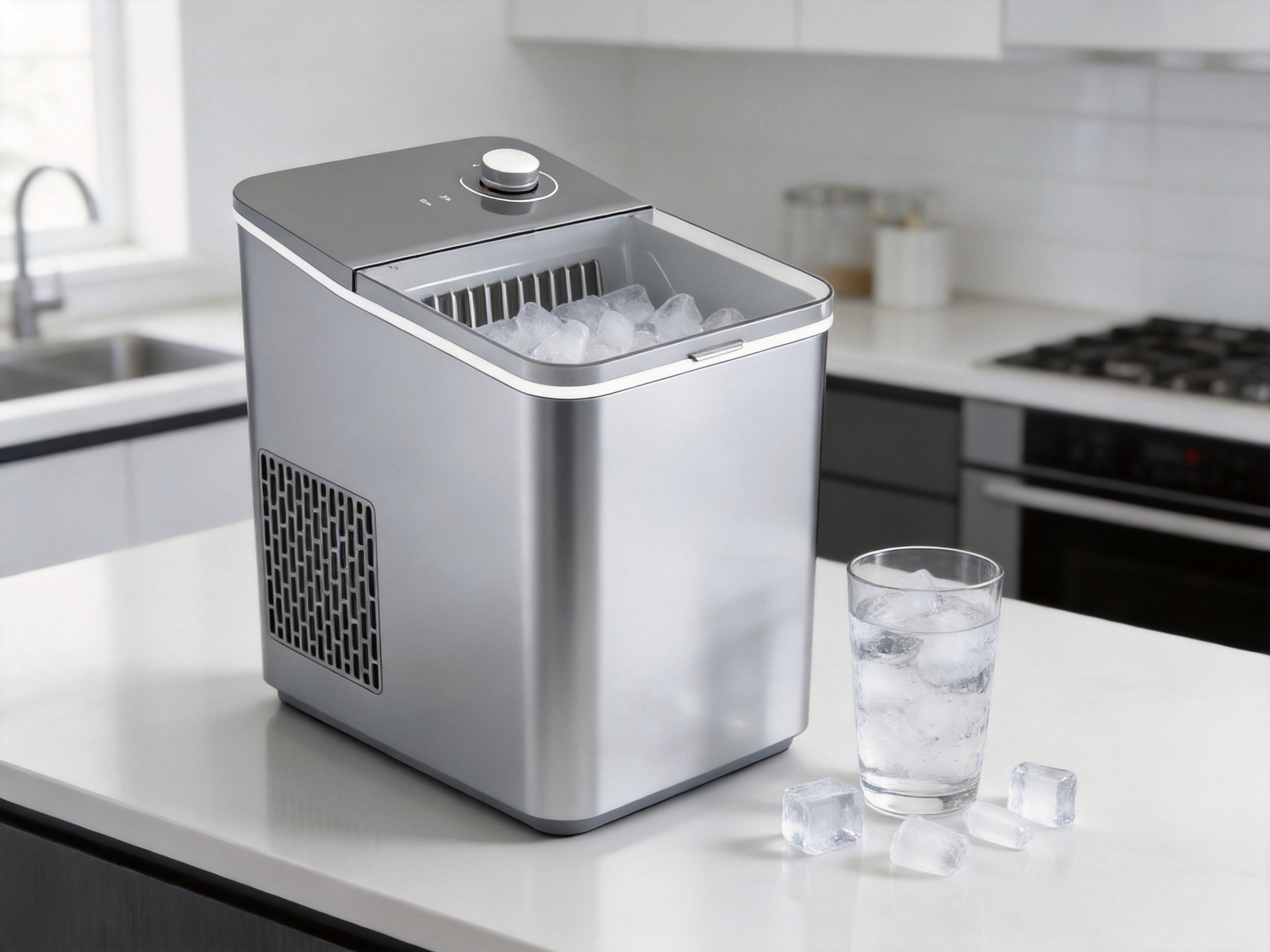
Quality control is especially important for a refrigeration appliance because failures may not be immediately visible during casual inspection. A product can have an attractive exterior while still requiring careful testing of compressor operation, cooling response, electrical safety, noise behavior, water handling, and refrigerant integrity.
A responsible production process should include incoming inspection of key components. Electrical parts, compressors, fans, sensors, water-contact components, plastic housings, and refrigerant-system materials should be checked against defined specifications before entering assembly. Consistent components make it easier to achieve repeatable final performance.
Assembly-line inspection can identify problems before the finished product reaches the customer. Examples include incorrect wiring, loose fasteners, misaligned housings, incomplete insulation, obstructed water paths, and control mechanisms that do not operate smoothly. Early detection reduces rework and helps protect product reliability.
Finished-product testing may include power-on inspection, operating-cycle verification, water-level checks, cooling performance observation, leakage checks, and visual examination. The exact tests depend on the manufacturer’s quality system, target market, and applicable regulations. Buyers seeking private-label or wholesale cooperation should request the relevant test standards and inspection records for the intended market.
Continuous improvement is also part of manufacturing strength. Feedback from distributors, service teams, and end users can identify opportunities to improve the control knob, housing durability, cleaning access, packaging protection, or operating instructions. A manufacturer that treats customer feedback as engineering input can gradually improve the product rather than relying only on the original design.
11. Design and Engineering Balance
Designing a compact ice maker involves a series of trade-offs. Increasing refrigeration capacity may improve production speed but can increase size, cost, heat output, and energy demand. Reducing the exterior footprint saves counter space but may make internal component placement more difficult. Adding electronic functions may improve information display while also increasing complexity.
The Alien-Z02 concept emphasizes a practical balance. Its stated 150W power rating, compact form, bullet ice output, and knob-type operation suggest a product designed for ordinary household usage rather than maximum commercial production. This positioning can appeal to customers who want a focused appliance with understandable functions.
Human-centered design is important in this category. Users need to add water, remove ice, clean the interior, operate the control, and store the unit. Each of these actions should be considered during engineering. A successful household appliance is not simply one that works in a laboratory; it is one that remains manageable after repeated daily use.
Noise and vibration are also relevant to countertop equipment. Compressor-based appliances naturally produce operating sounds, but balanced components, secure mounting, and proper assembly can help prevent unnecessary vibration. Placement on a stable, level surface can further improve the user experience.
12. Energy and Environmental Considerations
The product’s rated power is 150W, which provides a useful reference for understanding its electrical requirements. Actual energy use depends on how often the machine operates and the conditions around it. Producing ice in a hot room or with warm water may require more operating time than producing ice in a cooler environment with properly chilled input water.
Users can support efficient operation by placing the appliance in a cool, ventilated location away from ovens, direct sunlight, radiators, and other heat sources. Maintaining clear airflow around the housing helps the refrigeration system release heat effectively.
Clean surfaces and unobstructed water pathways can also support stable operation. Mineral deposits, dirt, or biological growth may interfere with water circulation and reduce hygiene. Regular cleaning is therefore both a health practice and a performance practice.
The R600a refrigerant contributes to the product’s environmental positioning. It has a low global warming potential compared with many legacy refrigerants, but responsible handling remains essential because it is flammable. The machine should not be punctured, burned, or dismantled by untrained users.
At the end of its service life, the product should be disposed of according to local rules for electrical appliances and refrigeration equipment. Proper recycling or recovery procedures help reduce environmental risks and allow useful materials to re-enter the manufacturing cycle.
13. Suitable Application Scenarios
13.1 Home Kitchens
In a home kitchen, the ice maker can supplement the freezer, especially when the freezer has limited ice-making capacity. It can provide additional ice for daily drinks, family meals, or occasional events without requiring a permanent plumbing connection.
13.2 Home Bars and Entertainment Areas
Home bars and beverage stations benefit from a nearby source of consistent ice. Bullet ice is suitable for cocktails, mixed drinks, iced tea, soft drinks, and chilled water. The compact body can be placed near the preparation area when needed and stored afterward.
13.3 Offices and Small Workplaces
Small offices may need ice for employee beverages, meetings, or visitor service but may not have the space or demand for commercial equipment. A dedicated countertop unit can be an accessible addition to a pantry or break area.
13.4 Guest Rooms and Hospitality Spaces
Guest houses, serviced apartments, boutique accommodations, and small hospitality venues may use compact ice makers to improve convenience. The appliance can be placed in a shared beverage area or selected rooms, subject to cleaning and safety procedures.
13.5 Outdoor Activities
The product may also be useful for outdoor food preparation, recreational areas, and seasonal events where a suitable electrical supply is available. Outdoor use requires protection from rain, splashing, unstable surfaces, excessive heat, and unsafe extension-cord arrangements.
14. Installation and First-Use Guidance
Before operating the appliance, place it on a firm, level surface. A stable surface helps reduce vibration and keeps internal water flow predictable. Ensure that the power outlet matches the 220V–240V, 50Hz requirement and that the electrical connection is properly grounded where required.
Allow sufficient ventilation around the appliance. Do not place it inside a sealed cabinet unless the installation has been specifically designed to provide adequate heat dissipation. Avoid positioning it next to a stove, oven, radiator, or other source of high heat.
If the appliance has been transported on its side or at an unusual angle, follow the manufacturer’s instructions before switching it on. Refrigeration systems may require a period of rest after transportation so that internal fluids can settle correctly.
Clean the water-contact surfaces before the first production cycle. Use clean drinking water unless the user manual states otherwise. Discard the first batch if recommended by the manufacturer, particularly after initial setup or extended storage.
Do not overfill the water reservoir. Water should remain within the indicated level. Excess water can spill into areas not intended for liquid and may create hygiene or electrical concerns.
15. Cleaning and Routine Maintenance
Regular cleaning is essential for any appliance that handles water and produces ice. Even clean tap water can contain minerals that gradually form deposits. In warm or humid environments, stagnant water may also support unwanted odors or microbial growth.
Before cleaning, switch off and unplug the appliance according to the instructions. Remove remaining ice and water, then clean accessible surfaces with a soft cloth and an appropriate food-contact cleaning method. Avoid abrasive tools that could scratch plastic components or damage internal surfaces.
The water reservoir, ice collection area, control area, and exterior should be checked regularly. If the product includes a filter, drain, or removable component, follow the service instructions for removal and replacement. Do not pour excessive water into electrical openings or immerse the entire machine.
Descaling frequency depends on water hardness and usage. Areas with hard water may require more frequent cleaning than areas with soft water. Customers should use only cleaning agents approved by the user instructions. Strong chemicals, solvents, or unsuitable disinfectants may damage materials or leave residues.
When the appliance will not be used for an extended period, drain it, clean it, dry accessible areas, and store it in a clean, dry location. This helps reduce odors, deposits, and contamination during storage.
16. Safety Considerations
R600a is flammable, so the refrigeration circuit must be protected from puncture and heat. Users should never drill into the housing, attempt to open refrigeration tubing, or use unauthorized repair tools near the sealed system.
The appliance should be operated only for its intended purpose. Do not use it to freeze objects, store chemicals, or process liquids other than water unless the manufacturer specifically approves such use. Keep children from playing with the appliance or its packaging materials.
Electrical safety is equally important. Do not operate the unit with a damaged power cord, loose plug, exposed wiring, or signs of water entering electrical sections. If the appliance trips a circuit breaker repeatedly, produces an unusual burning smell, or makes abnormal mechanical sounds, stop using it and seek qualified service.
Ice intended for consumption should be produced and handled hygienically. Use clean water, wash hands before handling ice, and avoid touching ice directly with unclean utensils. The ice storage area should be cleaned according to the recommended schedule.
17. Buyer and Distributor Value
For distributors, the product offers a clear position within the small-appliance market. It is more specialized than a general freezer accessory but less demanding than a commercial ice production system. Its compact design supports retail display, online sales, kitchen-appliance distribution, hospitality supply, and seasonal promotion.
The product category is easy for consumers to understand. Customers recognize the basic problem—needing convenient ice—and can quickly evaluate the main benefits: compact size, bullet ice shape, simple controls, and direct countertop operation.
The manufacturer’s broader experience with ice makers, coffee machines, and air fryers can support product-line development. Distributors may be able to build coordinated household appliance offerings around beverage preparation, cooking, and cooling. This can create opportunities for bundled sales and consistent after-sales service.
Customization may also be relevant for business customers. Depending on production capability and order requirements, distributors can discuss packaging, labels, control markings, color options, market-specific documentation, and electrical configurations. Any customized specification should be confirmed through formal technical documents before production.
18. What Makes the Product Competitive?
The product’s competitive value comes from the combination of several moderate but useful advantages rather than from one extreme feature. It offers the convenience of automatic ice production, the versatility of bullet-shaped ice, the flexibility of countertop placement, and the simplicity of knob-type operation.
Its 150W rating supports a compact appliance profile, while the 19g R600a refrigerant charge reflects a modern refrigeration approach. The product is also positioned for users who do not require the cost, capacity, or installation complexity of a larger commercial machine.
Against freezer trays, it saves preparation time and freezer space. Against oversized ice machines, it offers easier placement and more approachable household use. Against feature-heavy touchscreen products, it provides direct physical control and a less complicated operating experience.
Its environmental positioning is supported by the use of R600a, although customers should evaluate the complete product lifecycle rather than focusing only on refrigerant selection. Manufacturing quality, serviceability, correct maintenance, and responsible disposal remain important parts of the overall value proposition.
19. Recommended Evaluation Before Purchase
Customers should first determine how much ice they normally use. A compact home ice maker is suitable for regular beverage preparation and supplementary ice production, but customers with continuous high-volume requirements may need a larger system.
Next, verify the electrical requirements. The product is specified for 220V–240V and 50Hz. Buyers in markets with different voltage or frequency standards should consult the supplier before ordering.
Available counter space should be measured carefully. Because two different size descriptions are included in the supplied information, buyers should request confirmation of the final unit dimensions, ventilation clearance, cord position, and any required rear or side spacing.
Water quality and cleaning expectations should also be considered. In hard-water regions, regular descaling may be necessary. Users should be prepared to follow a cleaning routine rather than treating the appliance as maintenance-free.
Finally, wholesale customers should ask for documentation related to user instructions, packaging, electrical compliance, refrigerant handling, warranty coverage, spare parts, and inspection procedures. These materials help ensure that the product is suitable for the target market and intended customer group.
20. Frequently Asked Questions
Q1. What type of ice does this appliance produce?
The product is a bullet ice maker. It is designed to produce hollow or partially hollow bullet-shaped ice suitable for water, soft drinks, cocktails, iced coffee, juice, and other cold beverages.
Q2. Is the ice maker suitable for home use?
Yes. Its compact countertop design, 150W rated power, and straightforward knob-type control are suited to household kitchens, home bars, beverage stations, and small offices.
Q3. What power supply does the product require?
The stated power supply is 220V–240V at 50Hz. Buyers should confirm compatibility with their local electrical system and use an appropriate grounded outlet in accordance with local safety requirements.
Q4. What refrigerant does the product use?
The product uses R600a refrigerant with a stated charge of 19g. R600a has a comparatively low global warming potential, but it is flammable and should be serviced only by qualified technicians.
Q5. How much electricity does it use?
The listed rated power is 150W. Actual energy consumption depends on operating time, ambient temperature, water temperature, ventilation, ice demand, and the number of production cycles.
Q6. Can it replace a commercial ice machine?
It is intended primarily for household and light-duty applications. It may not replace a commercial machine where continuous, high-volume ice production is required. Buyers should compare expected demand with the final production and storage specifications.
Q7. Where can it be placed?
It can be placed on a suitable kitchen counter, bar counter, office pantry surface, beverage station, or protected outdoor preparation area with safe electrical access. It should be kept level and properly ventilated.
Q8. Why are two different dimensions listed?
The supplied materials list 313 × 226 × 309mm as the machine dimensions and also describe a compact size of 325 × 295 × 252mm. These figures may reflect different measurement methods or versions. Buyers should request a confirmed production drawing before installation.
Q9. Does the machine require a permanent water connection?
The supplied information presents it as a home countertop appliance, but it does not specify the exact water-filling arrangement. Customers should confirm whether the final version uses a manual reservoir, a water connection, or another configuration by reviewing the product manual.
Q10. How should the ice maker be cleaned?
Disconnect the appliance before cleaning, remove remaining water and ice, and clean accessible water-contact surfaces according to the user manual. Avoid abrasive tools, unsuitable chemicals, and excessive water near electrical components.
Q11. Is bullet ice good for cocktails and iced coffee?
Yes. Its rounded, hollow form is suitable for many beverages, including cocktails, iced coffee, juice, soft drinks, and chilled water. The actual melting rate will depend on drink temperature, room conditions, ice quantity, and serving container.
Q12. What should distributors ask the manufacturer?
Distributors should request final dimensions, production capacity, certification and compliance documents for the target market, packaging information, warranty terms, spare-parts availability, cleaning instructions, and details about quality-control procedures.
21. Conclusion
The compact bullet ice maker is designed to solve a common household problem with a focused and practical appliance. It provides a convenient alternative to freezer trays while avoiding the size and complexity associated with larger commercial machines. Its bullet ice format is useful for cooling and presenting beverages, and its countertop design allows flexible placement in kitchens, offices, home bars, hospitality areas, and suitable outdoor settings.
The product’s key technical characteristics include a 220V–240V, 50Hz power supply, 0.9A rated current, 150W rated power, R600a refrigerant, and a stated 19g refrigerant charge. The knob-type control supports direct operation for users who value simplicity and familiar physical controls.
Its competitive position is strengthened by the manufacturer’s specialization in small household appliances and its location within an established appliance-manufacturing region. Through coordinated design, component management, assembly control, refrigeration testing, electrical inspection, and continuous improvement, the company can support the consistent production of compact appliances for international customers.
Customers should confirm the final dimensions and complete technical documentation before purchase, particularly because the supplied materials contain two different dimensional descriptions. With appropriate installation, ventilation, cleaning, and safety practices, this product can offer a practical source of fresh bullet ice for everyday use and light-duty commercial environments.
References
1. Product technical specification sheet for the compact bullet ice maker, including power supply, rated current, rated power, refrigerant type, refrigerant charge, and machine dimensions.
2. Product information supplied for the Alien-Z02 home bullet ice maker, including design characteristics, application scenarios, and environmental positioning.
3. General refrigeration engineering principles concerning hydrocarbon refrigerants, compressor systems, ventilation, and sealed-system servicing.
4. General household appliance safety and maintenance practices for water-handling electrical appliances.
5. General manufacturing quality-control principles for compact refrigeration appliances, including incoming inspection, assembly verification, finished-product testing, and continuous improvement.