
 English
 한국어
한국어 Español
 Deutsch
A modern home deserves cooling convenience that is fast, clean, efficient, and easy to integrate into everyday living. The Home Ice Cube Maker is designed for families, small gatherings, home bars, kitchens, offices, and hospitality-style domestic spaces where reliable ice supply can make drinks, food preparation, and entertaining more enjoyable. With a compact body, practical 220V/50Hz power supply, 140W rated power, and R290 refrigerant system, this appliance focuses on dependable home ice production while maintaining a space-saving footprint.
This product is positioned in the ice maker category, especially for users who prefer neat, regular ice cubes rather than irregular pieces of ice from trays or crushed-ice alternatives. Its square ice cube format offers strong practical value: slow melting, an elegant appearance, versatile use, and efficient storage. These advantages make it suitable not only for chilled water, juice, soda, tea, and cocktails, but also for whiskey, spirits, cold brew coffee, seafood display, kitchen preparation, and household cooling applications.
Unlike traditional freezer ice trays, which require manual filling, long freezing cycles, uneven results, and awkward removal, a dedicated home ice cube maker provides a more convenient and consistent experience. It reduces the need to occupy freezer space with multiple trays and helps ensure that fresh ice is available when needed. For households that frequently entertain guests or enjoy cold drinks throughout the day, this kind of machine can become a practical daily appliance rather than an occasional accessory.
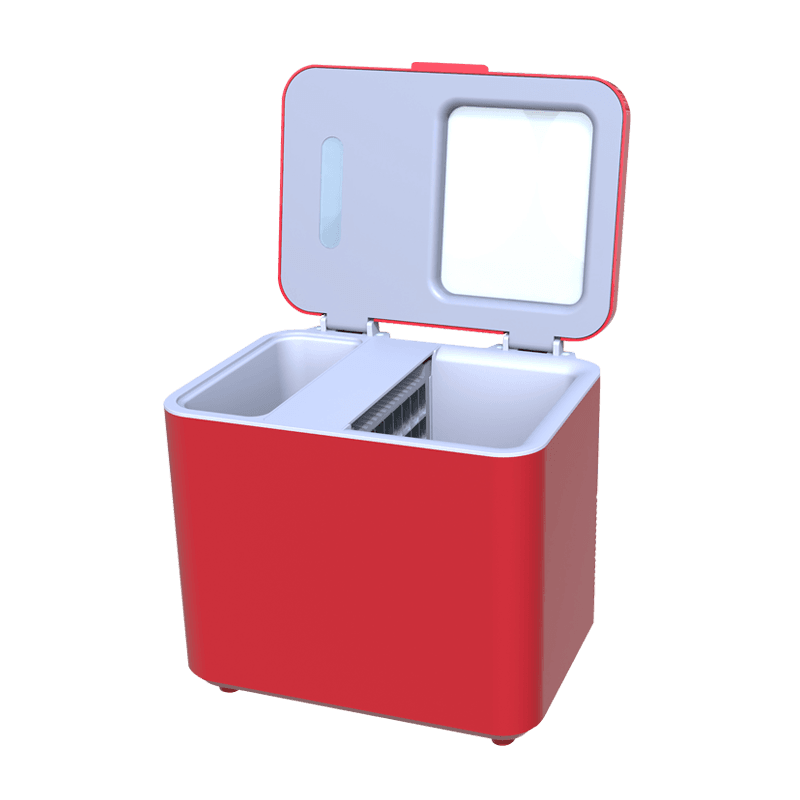
Product Overview
The Home Ice Cube Maker is a compact household appliance created for users who want dependable ice in a simple and accessible format. The machine dimensions are 325 x 295 x 252 mm, giving it a countertop-friendly profile. Its size makes it suitable for kitchen counters, pantry spaces, office refreshment areas, apartment kitchens, small home bars, recreational rooms, and dining areas. It is large enough to support regular household use while remaining compact enough to avoid dominating the space.
The product operates with a 220V/50Hz power supply and uses 0.65A current with 140W power. This specification reflects a design intended for household use rather than heavy industrial ice production. It is suitable for users who want daily convenience without installing a large commercial ice system. Its refrigerant is R290 with a 26g charge, a common hydrocarbon refrigerant known for efficient thermodynamic performance and a lower global warming potential compared with many older refrigerant options.
At the heart of the product’s value is its focus on producing neat ice cubes. Ice shape is not merely a visual detail; it affects melting speed, beverage dilution, storage efficiency, and presentation quality. A regular cube has a stable shape that can be stacked easily, handled conveniently, and displayed attractively in a glass. When compared with thin freezer-tray ice, hollow bullet ice, or irregular fragments, denser cube-style ice can deliver a slower melting experience and a more professional appearance.
The product is also designed around user simplicity. A home ice appliance should not require complicated operation or technical knowledge. Instead, it should allow users to produce ice with minimal preparation. This simplicity is especially important for families, elderly users, small offices, and casual hosts who need a functional product that performs consistently without unnecessary complexity.
Key Technical Specifications
Item |
Specification |
User Benefit |
Product Type |
Home Ice Cube Maker |
Designed for convenient household ice production |
Power Supply |
220V/50Hz |
Compatible with standard household electrical environments in applicable markets |
Current/Power |
0.65A/140W |
Balanced performance for regular home use |
Refrigerant/Charge |
R290/26g |
Efficient cooling with a modern refrigerant choice |
Machine Dimensions |
325 x 295 x 252 mm |
Compact countertop placement and easy household integration |
Ice Style |
Regular cube-style ice |
Slow melting, elegant appearance, versatile application, and space-saving storage |
Why Cube Ice Matters
Many consumers first think of an ice maker as a simple cooling machine, but the form of the ice has a direct impact on the drinking experience. Cube ice has long been valued in beverage service because of its balance between cooling power and controlled dilution. A neat cube presents a lower relative surface area than many fragmented or thin ice forms, allowing it to melt more slowly when placed in a drink. This is especially valuable for users who want their beverage chilled without quickly becoming watery.
For whiskey, brandy, gin, rum, tequila, and other spirits served neat or lightly chilled, slow-melting ice is particularly important. Excessive dilution can change aroma, texture, flavor intensity, and finish. A dense, regular ice cube helps reduce sudden dilution while still cooling the drink. This makes it appealing for home bar enthusiasts who want a more refined serving experience without relying on expensive specialty ice from outside suppliers.
The visual appeal of cube ice is another important advantage. A neat square form looks clean and professional in a transparent glass. When used in cocktails, sparkling water, iced coffee, juice, or tea, the structured shape gives the beverage a premium appearance. Presentation matters not only in restaurants and bars but also at home. Guests notice when drinks are served with attractive, uniform ice rather than cloudy fragments or uneven tray pieces.
Cube ice is also highly versatile. It can be placed directly in drinking glasses, used in pitchers, added to ice buckets, packed around bottled beverages, applied in food preparation, or used for short-term cooling of ingredients. It is useful for parties, family dinners, outdoor meals, and everyday hydration. Because the cubes have a regular form, they are easy to scoop, store, and portion.
Storage efficiency is another practical benefit. Irregular ice pieces often create gaps and wasted space inside containers, while regular cube shapes can be stacked more tightly. This helps users make better use of freezer boxes, ice buckets, and storage bins. For small kitchens, compact apartments, and households with limited freezer capacity, this efficiency can make a noticeable difference.
Advantages Over Traditional Ice Trays
Traditional freezer ice trays are inexpensive, but they are not always convenient. They require manual filling, careful carrying, a long waiting period, and frequent cleaning. They can spill water into the freezer, absorb food odors, and produce ice that is difficult to remove. Once the ice is used, the process must begin again, often requiring several hours before the next batch is ready.
A home ice cube maker improves this experience by making ice production more convenient and less dependent on freezer space. Users no longer need to keep multiple trays stacked in the freezer or remember to refill them after use. This is especially useful before gatherings, during hot weather, or in households where cold drinks are consumed frequently. The appliance becomes a dedicated source of ice, reducing pressure on the freezer and improving daily convenience.
Compared with trays, a machine-made cube can also provide better consistency. Tray ice often varies depending on water level, freezer temperature, tray material, and how long it has been stored. In contrast, a purpose-built ice maker is designed to repeat the ice-making process under controlled conditions. This contributes to more predictable results, which matters when drinks are being served to guests or used in recipes that depend on accurate chilling.
Another advantage is cleanliness and freshness. Ice stored in an open freezer for long periods may absorb odors from meat, vegetables, sauces, or other stored foods. Freshly produced ice can offer a cleaner taste when the machine is used and maintained properly. This is especially important for beverages with delicate flavor profiles, such as mineral water, cold brew coffee, tea, and premium spirits.
Advantages Over Many Competing Portable Ice Makers
The portable ice maker market includes many products that focus on speed, appearance, or low initial cost, but not all machines provide the same user value. Some competing models produce hollow bullet ice, which can melt quickly because of its shape and internal cavity. Bullet ice is useful for certain applications, but it may not be the best choice for users seeking slow dilution, elegant presentation, and efficient storage. A cube-focused ice maker can offer a more refined drinking experience.
The Home Ice Cube Maker’s compact dimensions are another competitive advantage. At 325 x 295 x 252 mm, the appliance is designed to fit into a wide range of spaces. Some competing machines are bulky and difficult to place permanently on a counter. Others are too small to provide satisfying usability. This model offers a balanced body size that supports household function while remaining easy to accommodate.
The use of R290 refrigerant also helps distinguish the product. R290 is recognized for efficient cooling performance and a comparatively low environmental impact when used responsibly in properly designed systems. For modern consumers and distributors, refrigerant choice is increasingly important. Appliances that use more responsible refrigerant technology can better align with changing expectations around energy efficiency, sustainability, and regulatory trends.
The rated 140W power level reflects a practical balance between ice-making function and household usability. Some competitors attempt to increase performance through oversized components, but that can lead to higher energy use, noise, size, or cost. Others reduce cost too aggressively, sacrificing durability and cooling stability. This product is designed for practical daily household performance, making it suitable for users who value reliability rather than exaggerated claims.
Another competitive advantage is the manufacturer’s specialization in small household appliances. A company that works across ice makers, coffee machines, and air fryers gains broad experience in heating, cooling, airflow, water contact systems, temperature control, plastic molding, sheet metal processing, assembly discipline, and product safety. This cross-category manufacturing knowledge supports better design judgment and improved production consistency.
Many low-cost competitors focus mainly on assembly without strong process control. In contrast, a manufacturer with mature household appliance production capabilities can better manage supplier qualification, component matching, safety testing, production line inspection, and packaging reliability. These behind-the-scenes strengths may not be visible at first glance, but they significantly affect long-term product performance and customer satisfaction.
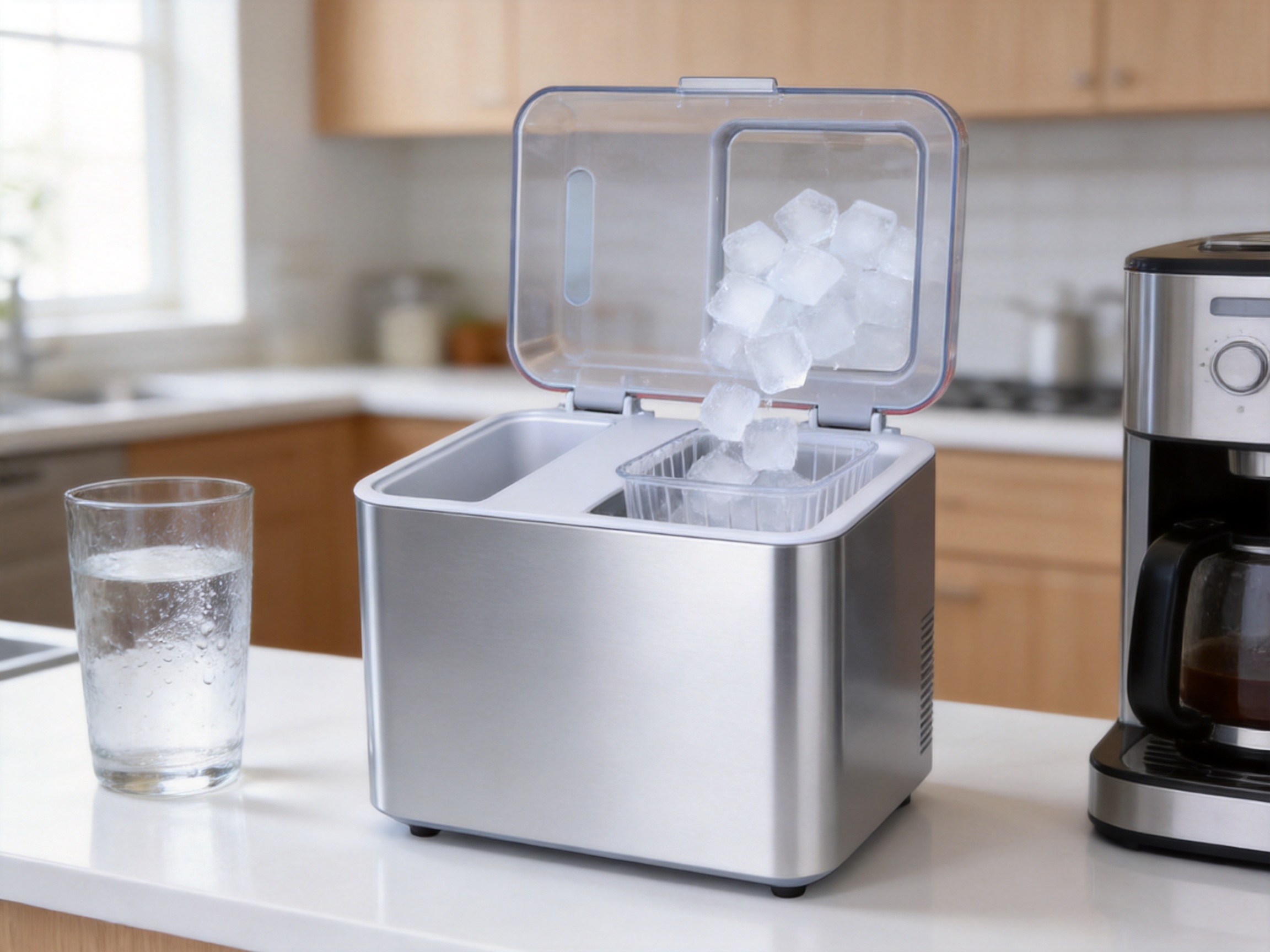
Manufacturing Strength and Industrial Background
Alien Technology Co., Ltd. is located in Zhouxiang, Cixi City, Zhejiang Province, an area known for its concentration of small household appliance manufacturing and convenient logistics. This location provides practical industrial advantages. The region has access to skilled labor, component suppliers, processing resources, packaging services, and export logistics channels. For appliance manufacturing, such a supply chain environment can shorten development cycles, improve component coordination, and support stable production capacity.
The company specializes in household appliances including ice makers, coffee machines, and air fryers. This product range reflects broad technical involvement in temperature-related consumer appliances. Ice makers require refrigeration technology, water handling, insulation, electrical safety, and user-interface design. Coffee machines require water flow control, heating, pressure management, and food-contact materials. Air fryers require heating elements, airflow design, thermal protection, and durable housings. Experience across these categories strengthens the company’s engineering base.
The company’s mission emphasizes smart technology, simplifying life, and enhancing happiness. For a home ice maker, this mission is expressed through practical convenience: making ice easier, drinks better, and gatherings smoother. Instead of requiring users to manage freezing trays manually, the appliance provides a dedicated solution for everyday cooling. A well-designed home appliance should save time, reduce friction, and make small daily rituals more pleasant.
The company also emphasizes reliable quality, humanized design, intelligent technology, continuous improvement, and innovation. These values matter in the ice maker category because performance depends on many interacting systems. A product must cool effectively, remain electrically safe, manage water properly, resist corrosion, avoid leakage, maintain stable operation, and remain easy to clean. Manufacturing quality is not a single action but a complete system of design verification, material selection, process control, testing, and after-sales responsiveness.
Advanced Manufacturing Processes
Producing a reliable home ice cube maker requires precision beyond simple assembly. The refrigeration system must be built with care to ensure stable cooling, sealed refrigerant circulation, and safe operation. Tubing, compressor components, evaporator surfaces, and refrigerant charge accuracy all affect performance. The use of R290 requires responsible manufacturing controls because hydrocarbon refrigerants must be handled with proper safety procedures and accurate charging equipment.
During manufacturing, component selection plays a crucial role. Key parts such as the compressor, fan system, water pump, control board, sensors, housing materials, seals, and internal water-contact components must be evaluated for compatibility and durability. An appliance that repeatedly cools water into ice is exposed to temperature variation, moisture, vibration, and mineral content. High-quality components reduce the risk of early failure and help maintain consistent operation over time.
Precision plastic molding is also important. The outer housing and internal components must fit accurately to support user safety, water management, insulation, and aesthetics. Poorly molded parts can lead to loose connections, leakage points, vibration noise, or unattractive gaps. Strong manufacturing control helps ensure that the appliance looks refined and performs reliably. For a countertop product, appearance and build quality both influence consumer trust.
Metal processing and heat-exchange component quality are equally important. Refrigeration performance depends on effective heat transfer. Components must be produced and assembled to maintain good thermal contact and stable airflow. A carefully designed internal layout supports efficient cooling while controlling noise and heat dissipation. In compact appliances, internal space is limited, so manufacturing precision directly affects performance.
Electrical assembly requires strict safety discipline. Control boards, switches, wiring harnesses, grounding structures, and insulation systems must be installed correctly. Household appliances are used by families in kitchens and wet environments, so electrical protection is essential. A responsible manufacturer implements inspection points during assembly to confirm that wiring is secure, components are correctly positioned, and safety requirements are respected.
Water-path assembly is another critical process. Ice makers handle water continuously, so tanks, pumps, tubes, valves, and contact surfaces must be clean, compatible, and properly fitted. Water leakage can damage components and reduce user confidence. Manufacturing controls should include checks for tight connections, smooth water flow, and clean assembly conditions. Food-contact materials must be selected with user health and safety in mind.
Refrigerant charging accuracy is a defining step. The provided specification indicates R290/26g. Correct refrigerant quantity is necessary for cooling performance, compressor protection, and safety. Too little refrigerant can reduce ice-making efficiency, while too much may affect pressure behavior and reliability. Advanced production lines use calibrated charging equipment and controlled procedures to help ensure each unit meets the intended specification.
Quality testing before shipment is one of the most important manufacturer strengths. A reliable home ice maker should undergo checks related to electrical safety, cooling function, leakage, water circulation, noise, visual appearance, packaging integrity, and operational stability. These tests help prevent defective products from reaching customers. They also support distributors and retailers by reducing returns and improving user satisfaction.
Humanized Design for Daily Use
A good home ice maker must feel natural to use. Users should not need technical training or complicated setup. The compact body supports easy placement, while the cube-style output supports many different drinking and food preparation habits. The appliance can fit into a morning routine for iced coffee, a lunch routine for chilled juice, an evening routine for cocktails, or a weekend routine for entertaining friends.
The design concept also supports families. Children may enjoy cold drinks in summer, adults may use ice for coffee or spirits, and home cooks may use ice for cooling boiled vegetables, preparing seafood, chilling dough, or creating quick ice baths. Because cube ice is easy to portion and store, it works well across many domestic tasks.
In a small office or meeting room, the appliance can improve refreshment service without requiring a full commercial ice machine. Employees and visitors can enjoy cold water, iced tea, or chilled beverages. A compact home-style unit is easier to place than a large undercounter machine and more convenient than buying bags of ice.
For apartment living, space matters. Many apartments have limited freezer volume, and ice trays often compete with frozen meals, vegetables, meat, and prepared foods. A countertop ice maker can reduce this pressure. Users can produce ice when needed, store a small amount, and avoid dedicating large freezer sections to trays.
Performance Benefits in Beverage Applications
For whiskey and neat spirits, cube ice offers controlled dilution and a refined look. Enthusiasts often care about flavor balance, aroma release, and serving temperature. A slowly melting cube helps chill the drink while preserving its intended character for longer. The visual effect in a clear glass also elevates the experience.
For cocktails, consistent ice is essential. Many cocktails depend on proper chilling and dilution. Although different cocktail techniques require different ice formats, regular cubes are among the most versatile. They can be used for shaking, stirring, serving, or chilling ingredients. A dependable home ice supply encourages users to prepare better drinks rather than compromising with old freezer ice.
For iced coffee and cold brew, ice quality affects taste. Coffee has aromatic compounds that can be diluted or distorted by stale ice. Fresh cube ice can help maintain a cleaner beverage profile. As home coffee culture continues to grow, especially with espresso machines, drip brewers, and cold brew systems, an ice maker becomes a natural companion appliance.
For tea, juice, lemonade, sparkling water, and soft drinks, cube ice provides a familiar and convenient cooling method. Because it stacks efficiently and looks neat, it is ideal for pitchers and glassware. During family meals or parties, uniform cubes make the table feel more organized and professional.
Kitchen and Household Uses Beyond Drinks
Ice cubes are not limited to beverages. In cooking, ice can stop the cooking process after blanching vegetables, helping preserve color and texture. It can be used to cool boiled eggs, chill dough, stabilize whipped preparations, or create cold water baths. Home cooks who prepare salads, desserts, seafood, or delicate ingredients often benefit from a convenient ice supply.
Ice is also useful for serving. Bowls of fruit, seafood, bottled drinks, and desserts can be placed over ice during gatherings. Regular cube shapes create stable contact and attractive presentation. Compared with irregular fragments, cubes are easier to manage and less messy.
For household cooling needs, ice packs and temporary cold compresses can be prepared with cube ice. While medical use should follow appropriate guidance, many families use ice for minor cooling applications, sports recovery, and hot-weather comfort. A home ice maker increases readiness for these everyday situations.
The regular shape also helps when transferring ice into bags, containers, or buckets. Irregular freezer ice can clump together or form sharp fragments, while cube ice is easier to scoop and pour. This simple handling benefit becomes significant during parties or busy meal preparation.

Environmental and Efficiency Considerations
The selection of R290 refrigerant reflects modern attention to environmental responsibility. R290, also known as propane refrigerant, has favorable thermodynamic properties and a low global warming potential compared with many traditional synthetic refrigerants. When used in properly engineered and safely manufactured appliances, it supports efficient cooling performance while aligning with broader industry movement toward lower-impact refrigerant solutions.
Energy use is another important consideration. With a rated power of 140W, the machine is designed for household operation. Users should operate it according to the instructions, place it in a ventilated environment, keep it away from heat sources, and maintain it properly to support efficient performance. Like any refrigeration appliance, operating conditions affect results. A cooler room temperature, clean water path, and adequate airflow can contribute to better performance.
Reducing reliance on purchased bagged ice can also have practical environmental benefits. Bagged ice often involves plastic packaging, transportation, freezer storage at retail locations, and additional trips by consumers. A home ice maker allows users to produce ice on demand, potentially reducing packaging waste and improving convenience. For households that frequently buy ice, this can be a meaningful lifestyle upgrade.
Space-Saving Value
The compact body of the Home Ice Cube Maker is one of its most practical features. At 325 x 295 x 252 mm, it occupies a manageable countertop area. This allows users to place it near a sink, beverage station, coffee machine, or home bar. Because ice is often used together with drinks, location convenience is important. A compact appliance is more likely to remain accessible and therefore more likely to be used regularly.
The cube format further supports space saving after production. Regular cubes can be transferred into a storage container and stacked efficiently. This gives users the flexibility to prepare ice before a gathering and store it neatly. Compared with irregular ice, which often forms bulky piles with empty gaps, cube ice helps maximize container volume.
In modern kitchens, every appliance competes for space. Air fryers, coffee machines, blenders, rice cookers, and kettles already occupy counters in many homes. A compact ice maker must justify its place by being genuinely useful. Because this product supports drinks, cooking, entertaining, and household cooling, its value extends across multiple daily routines.
Quality, Reliability, and User Confidence
Reliability is central to customer satisfaction in the ice maker category. Users expect the machine to start easily, cool effectively, and operate consistently. A product that fails during a party or hot day creates frustration. Therefore, design and manufacturing must focus on stable performance, not merely attractive appearance.
Alien Technology Co., Ltd. supports reliability through its experience in small household appliance manufacturing. Its location in a mature appliance production region gives it access to a strong supplier network and practical manufacturing knowledge. The company’s commitment to excellent quality and continuous improvement helps create a foundation for long-term product development.
A stable and pragmatic business philosophy is also valuable for buyers, distributors, and cooperation partners. Appliance manufacturing requires consistency, communication, and responsible production planning. Companies that focus only on short-term sales may ignore after-sales feedback or process improvement. A manufacturer committed to steady development is better positioned to improve products over time and support long-term business cooperation.
Comparison with Common Ice Solutions
Ice Solution |
Main Strength |
Main Limitation |
How This Home Ice Cube Maker Competes |
Freezer Ice Trays |
Low cost and simple |
Slow, manual, space-consuming, inconsistent |
Provides dedicated, convenient ice production with less freezer dependence |
Bagged Ice |
Large quantity available immediately |
Requires purchase trips, storage space, and plastic packaging |
Supports on-demand home production and reduces routine dependence on purchased ice |
Hollow Bullet Ice Makers |
Often fast and common in portable units |
Hollow shape may melt faster and appear less premium |
Cube-style ice supports slower melting, better presentation, and efficient stacking |
Commercial Ice Machines |
High capacity |
Large, expensive, and unnecessary for most homes |
Offers a compact household-focused alternative for everyday use |
Ideal Users and Scenarios
This ice cube maker is ideal for families that regularly prepare cold beverages. In warm seasons, children and adults often consume more water, juice, tea, and soft drinks. Having ice available encourages hydration and improves comfort. During family meals, a reliable ice supply reduces last-minute preparation stress.
It is also ideal for home entertainers. Parties, dinners, barbecues, holiday gatherings, and weekend events often require more ice than expected. Drinks, coolers, pitchers, and serving trays all consume ice quickly. A home ice cube maker allows hosts to prepare in advance and continue producing ice as needed.
Home bar enthusiasts can benefit from the professional appearance of cube ice. Even simple drinks feel more refined when served with neat cubes. For users who enjoy whiskey, cocktails, highballs, or mocktails, ice quality is part of the experience. A dedicated machine supports this lifestyle without requiring specialized commercial equipment.
Coffee lovers are another important user group. Iced coffee, cold brew, espresso tonics, and milk-based chilled coffee drinks have become increasingly popular at home. Cube ice helps create better texture and presentation. When paired with a coffee machine, the ice maker expands the beverage possibilities of the kitchen.
Small offices, studios, and meeting rooms can also use this appliance. It supports staff comfort and improves hospitality for visitors. Because the unit is compact, it can fit into refreshment corners without major installation demands.
Practical Care and Maintenance
Proper care helps maintain ice quality and machine performance. Users should follow the product manual for cleaning, water filling, placement, and operating procedures. Clean water is important because ice directly contacts beverages and food. If local water has high mineral content, users may consider filtered water to improve taste and reduce scale accumulation.
The machine should be placed on a stable, level surface with adequate ventilation. Refrigeration appliances release heat during operation, so airflow around the unit supports efficient performance. It should not be placed next to strong heat sources or in direct sunlight for extended periods. Good placement helps protect the compressor and maintain ice-making consistency.
Regular cleaning of water-contact areas is important. Over time, minerals, dust, and environmental contaminants can affect taste and hygiene. Users should empty unused water when appropriate and allow components to dry if the appliance will not be used for a long period. Clean maintenance habits improve the quality of every batch of ice.
Users should also avoid overloading the appliance beyond its intended household purpose. While the machine is useful for daily convenience and gatherings, it is not a substitute for a large commercial ice plant. Understanding the correct usage scenario helps ensure satisfaction and product longevity.
Business Cooperation Value
For distributors, retailers, and private-label partners, this home ice cube maker offers a product category with broad consumer appeal. Demand for convenient home appliances continues to grow as consumers invest in better kitchens, home bars, coffee corners, and entertaining spaces. Ice makers are no longer limited to commercial environments; they are increasingly seen as lifestyle appliances.
The product’s compact design makes it attractive for e-commerce sales because it is easier to present, store, and ship than larger machines. Its clear technical specifications and practical benefits support straightforward marketing. The advantages of slow-melting cubes, premium beverage presentation, and space-saving storage are easy for consumers to understand.
The manufacturer’s location in a strong small-appliance industrial base supports supply chain efficiency. Convenient logistics, supplier availability, and manufacturing specialization can help business partners manage production schedules and product development. The company’s openness to cooperation with new and existing customers further strengthens its value as a manufacturing partner.
Because the company also manufactures coffee machines and air fryers, partners may explore broader household appliance cooperation. Product families can be developed around kitchen convenience, beverage enjoyment, and healthy daily living. This multi-category capability can help retailers build cohesive appliance offerings rather than sourcing isolated products from unrelated suppliers.
Design Philosophy: Smart Technology That Simplifies Life
The core purpose of this ice cube maker is not complexity but simplification. Good technology disappears into daily life by making tasks easier. Ice preparation is a small task, but it affects many moments: a cold drink after work, a glass of water on a hot day, a cocktail with friends, a quick kitchen cooling step, or a family dinner. By reducing the effort required to prepare ice, the appliance improves these ordinary moments.
The product reflects the idea that happiness can be enhanced by practical comfort. A household appliance does not need to be extravagant to improve quality of life. It needs to solve a real problem consistently. The Home Ice Cube Maker solves the common inconvenience of insufficient, unattractive, or slow-to-prepare ice.
Its cube-style ice supports both function and pleasure. It chills effectively, melts slowly, looks elegant, stores efficiently, and works in many situations. This combination creates value beyond the machine itself. It changes the way users prepare beverages, host guests, and manage kitchen tasks.

Frequently Asked Questions
What type of ice does this machine make?
It is designed as a home ice cube maker, producing regular cube-style ice. Cube ice is valued for slow melting, neat presentation, versatile use, and efficient storage.
Why is cube ice better for premium drinks?
Cube ice generally has a more regular shape and can melt more slowly than many thin or hollow ice forms. This helps chill drinks while reducing excessive dilution, making it suitable for whiskey, spirits, cocktails, iced coffee, and other beverages where taste matters.
Where can the machine be placed?
With dimensions of 325 x 295 x 252 mm, it is suitable for kitchen counters, home bars, office refreshment areas, apartment kitchens, and entertainment spaces. It should be placed on a stable surface with adequate ventilation.
What is the power specification?
The product uses a 220V/50Hz power supply, with 0.65A current and 140W power. It is intended for household use in compatible electrical environments.
What refrigerant does the product use?
The machine uses R290 refrigerant with a 26g charge. R290 is known for efficient cooling properties and a comparatively low global warming potential when used in properly designed refrigeration systems.
How does this product compare with freezer trays?
Freezer trays are slow, manual, and occupy freezer space. This ice cube maker provides a dedicated and convenient way to produce ice, reducing the need to manage multiple trays and improving consistency.
How does it compare with bullet ice makers?
Many bullet ice makers produce hollow ice that may melt faster. Cube-style ice offers a more premium appearance, slower melting behavior, and better stacking efficiency, making it attractive for beverages and storage.
Is it suitable for parties?
Yes, it is suitable for home gatherings, dinners, barbecues, and beverage service. Users can prepare ice in advance and use the appliance to support ongoing household ice needs.
Can the ice be used for cooking?
Yes, cube ice can be used for kitchen preparation such as cooling vegetables after blanching, chilling ingredients, preparing cold water baths, and supporting food presentation.
What makes the manufacturer a strong partner?
Alien Technology Co., Ltd. is located in Zhouxiang, Cixi City, Zhejiang Province, a region known for small household appliance manufacturing. The company specializes in ice makers, coffee machines, and air fryers, giving it broad experience in household appliance design, production, process control, and quality improvement.
Conclusion
The Home Ice Cube Maker offers a practical and attractive solution for modern households that want convenient access to quality cube ice. Its compact dimensions, household-focused power specification, R290 refrigerant system, and cube-style ice output make it suitable for kitchens, home bars, offices, apartments, and entertainment spaces. The product’s value lies not only in making ice, but in improving the daily experience of drinks, cooking, serving, and hosting.
Compared with freezer trays, it offers convenience and consistency. Compared with many hollow bullet ice makers, it provides better visual appeal, slower melting potential, and more efficient storage. Compared with commercial ice machines, it offers a compact and practical household alternative. These advantages position it as a strong choice for users who want professional-looking ice without complicated installation or excessive size.
Behind the product is a manufacturer with experience in small household appliances and access to the supply-chain strengths of Zhejiang’s appliance industry. Through attention to refrigeration assembly, component quality, water-path control, electrical safety, refrigerant charging, and final inspection, the company supports reliable product performance. Its mission of smart technology, simplifying life, and enhancing happiness is clearly reflected in an appliance that turns a common household need into a convenient daily benefit.
For consumers, the appliance brings better drinks and easier entertaining. For retailers and distributors, it represents a marketable product with clear lifestyle appeal. For cooperation partners, it is supported by a manufacturer committed to quality, improvement, and practical innovation. As more families invest in home comfort and beverage experiences, a compact home ice cube maker is becoming an increasingly valuable addition to the modern kitchen.
References
ASHRAE Handbook: Refrigeration, American Society of Heating, Refrigerating and Air-Conditioning Engineers.
International Institute of Refrigeration, Guide to Refrigerant Selection and Environmental Considerations.
Food and Beverage Service Principles, hospitality training materials on ice use, beverage dilution, and presentation.
Household Appliance Manufacturing Quality Control Guidelines, general industry practice references for small appliance production.
Materials and Food Contact Safety in Domestic Appliances, consumer appliance engineering reference materials.